
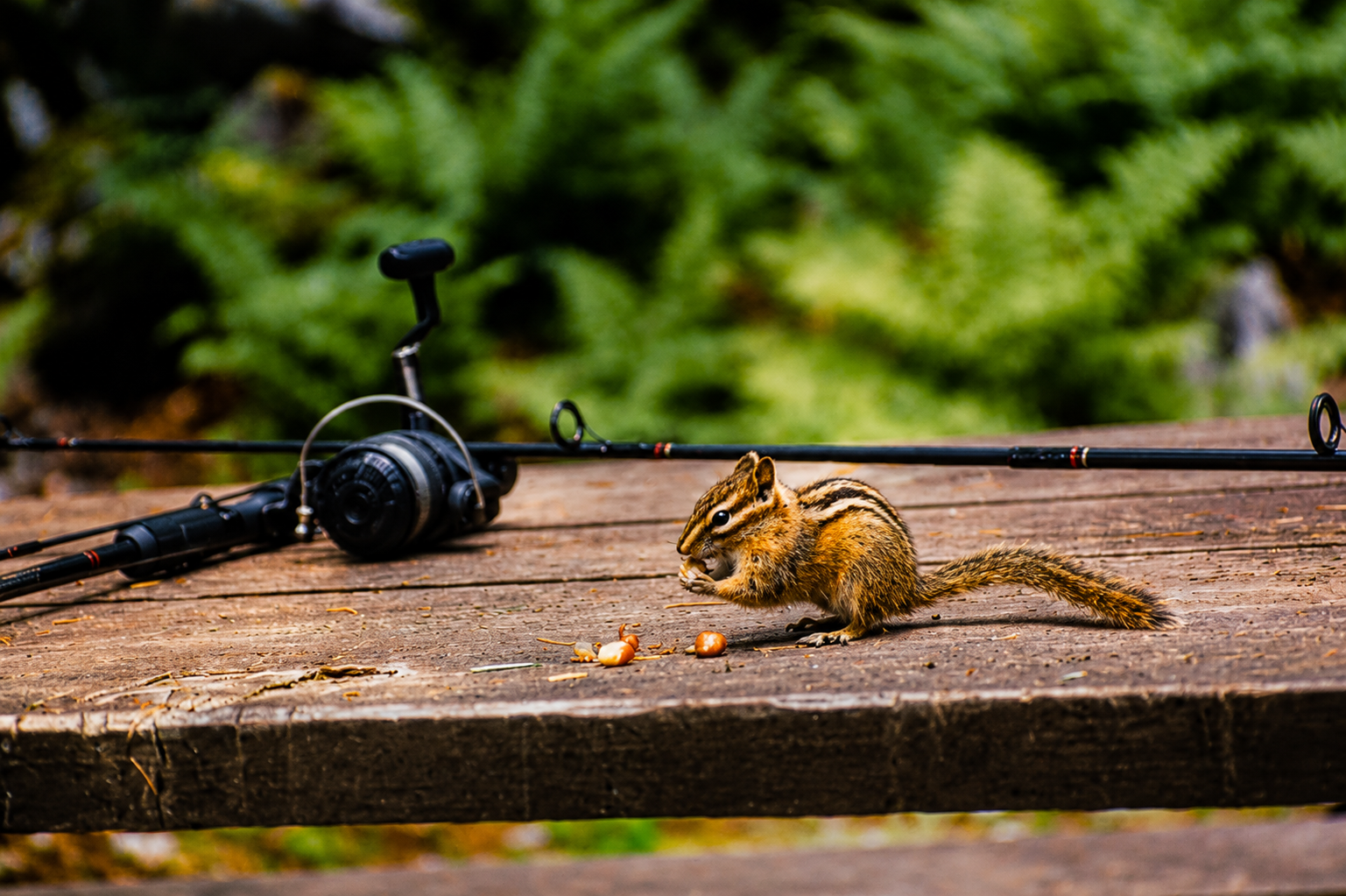
There are few things more rewarding than paddling into a quiet bay, casting a line into crystal-clear water, and catching your dinner before the sun slips behind the mountains.
The qathet Canoe Route (formerly known as the Powell Forest Canoe Route) isn't just one of British Columbia's premier wilderness canoe trips—it's also an excellent destination for anglers looking to combine multi-day paddling with freshwater fishing. Stretching across eight interconnected lakes, the route offers countless opportunities to fish from your canoe, along secluded shorelines, or while relaxing at camp after a day on the water.
Whether you're hoping to catch your first trout or simply enjoy an evening of casting in a spectacular wilderness setting, here's everything you need to know before bringing your fishing rod.
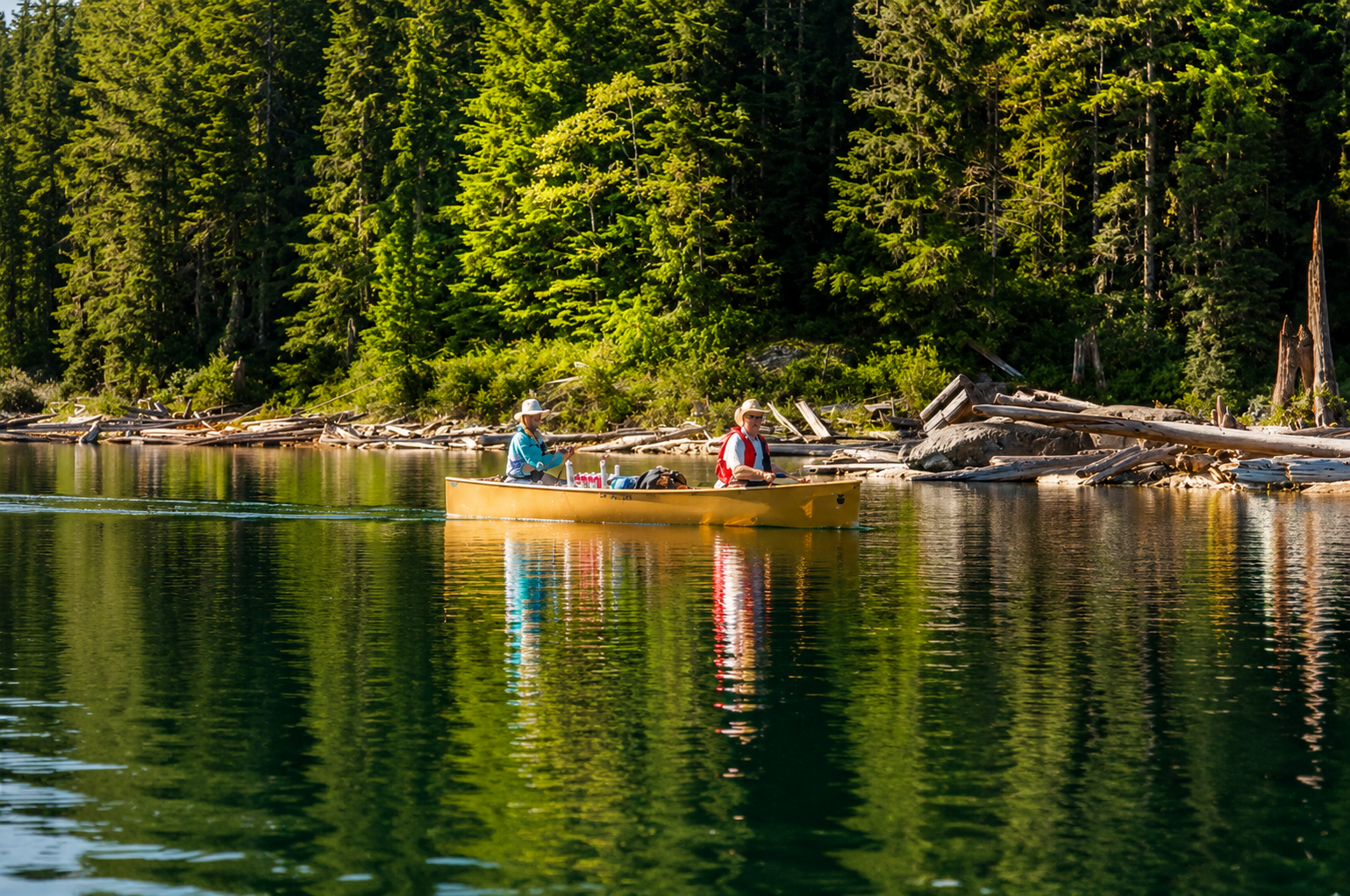
Every paddle stroke brings the possibility of your next catch—and another unforgettable memory.
Why Fish the qathet Canoe Route?
Unlike busy lakes with motorboats and crowded fishing docks, the qathet Canoe Route offers a peaceful fishing experience, allowing anglers to access quiet shorelines and hidden bays that see very little fishing pressure.
Imagine paddling across a calm lake at sunrise with mist rising from the water, or casting into the evening reflections after setting up camp. It's less about filling a cooler and more about slowing down and enjoying the wilderness around you.
Fishing becomes another reason to linger rather than rush through the route.
Rainbow Trout
What Fish Can You Catch?
The lakes along the route are home to several popular freshwater species.
Coastal Cutthroat Trout
Cutthroat trout are the most abundant fish throughout the qathet region and are often the highlight for visiting anglers.
These aggressive fish are known for chasing moving lures and are surprisingly willing to strike, making them enjoyable for both beginners and experienced fishermen.
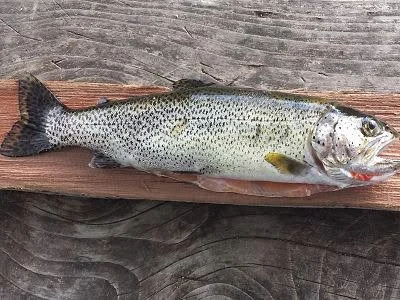
Rainbow Trout
Rainbow trout can also be found throughout the route and are another exciting catch. They readily take both lures and flies, especially when trolled behind a canoe.
Kokanee Salmon
Kokanee are landlocked Sockeye salmon that spend their entire lives in freshwater. Although generally smaller than ocean-run salmon, they provide plenty of action and are excellent table fare.
Rapala Floater Lures
Best Lures and Techniques
One of the easiest ways to fish while travelling is simply to troll a lure behind your canoe.
As you paddle between campsites, your lure covers a surprising amount of water without slowing your progress.
Some of the most productive options include:
Spinners
FlatFish lures
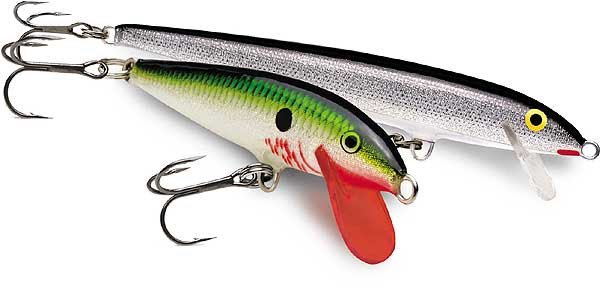
Rapalas
Trolled flies
Lake trolls paired with action lures
Coastal Cutthroat trout are naturally aggressive—and even cannibalistic—so they often strike flashy, erratic presentations that imitate smaller fish.
Paddlers can catch fish without ever making a cast simply by letting a lure trail behind the canoe while travelling between lakes.
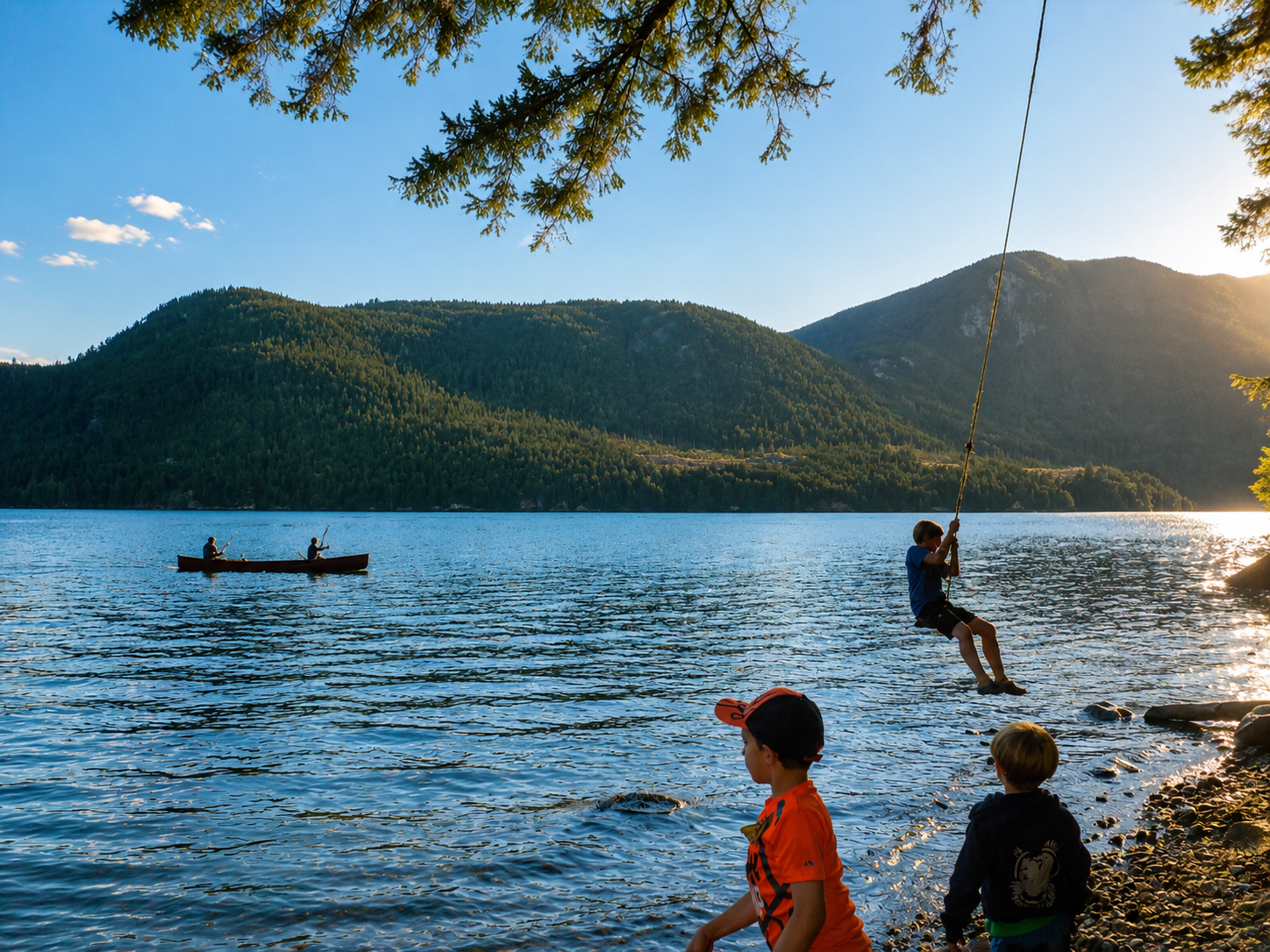
Whether you reel in dinner or simply watch the sun set over a quiet lake, fishing is one more reason the qathet Canoe Route is unlike anywhere else in British Columbia.
The Best Times to Fish
If you're planning to stop and cast rather than troll, timing can make a significant difference.
Early mornings and evenings are generally the most productive times because cooler water temperatures encourage fish to feed closer to the surface.
Look for areas such as:
Rocky shorelines
Points of land
Small bays
Around islands
Fallen logs and structure
These locations provide cover and feeding opportunities that naturally attract trout.
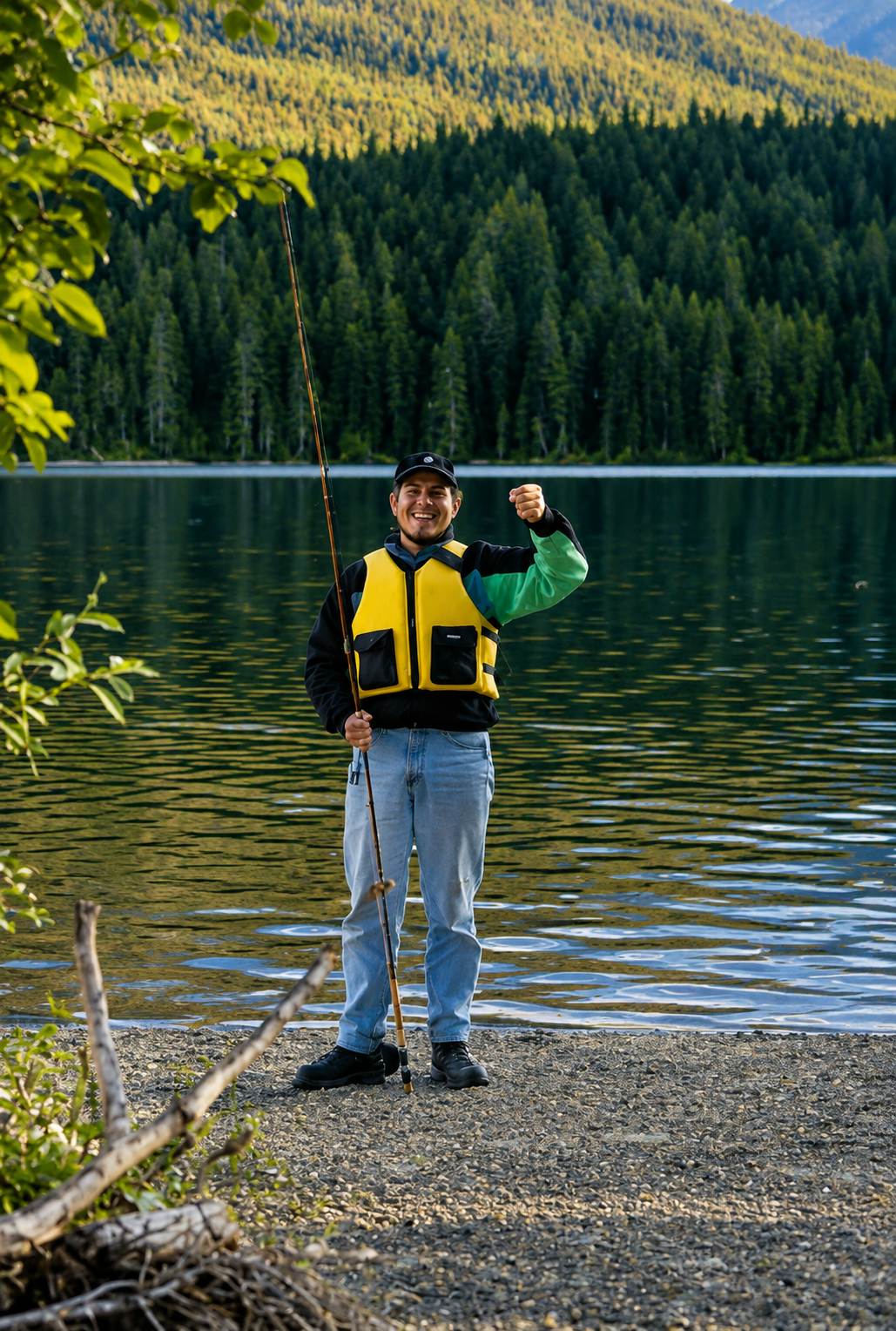
Success isn't measured by the size of the fish—it's measured by the memories you make.
Fishing Regulations You Need to Know
Before heading out, make sure you're familiar with British Columbia's freshwater fishing regulations.
You'll need:
A valid British Columbia Freshwater Fishing Licence.
Your licence with you whenever you're fishing.
Single barbless hooks, which are required on these lakes.
Barbless hooks not only comply with regulations but also make releasing fish easier and reduce injury to the fish.
If you're planning to keep fish for a meal, always check the current regulations for species limits and any seasonal restrictions before your trip.
Where to Buy a Fishing Licence
Purchasing a fishing licence is quick and easy before your adventure begins.
You can buy a current British Columbia Freshwater Fishing Licence online before arriving, print a copy, or carry a digital version if permitted under current regulations.
Having your licence ready before launching allows you to spend more time enjoying the water and less time worrying about paperwork.
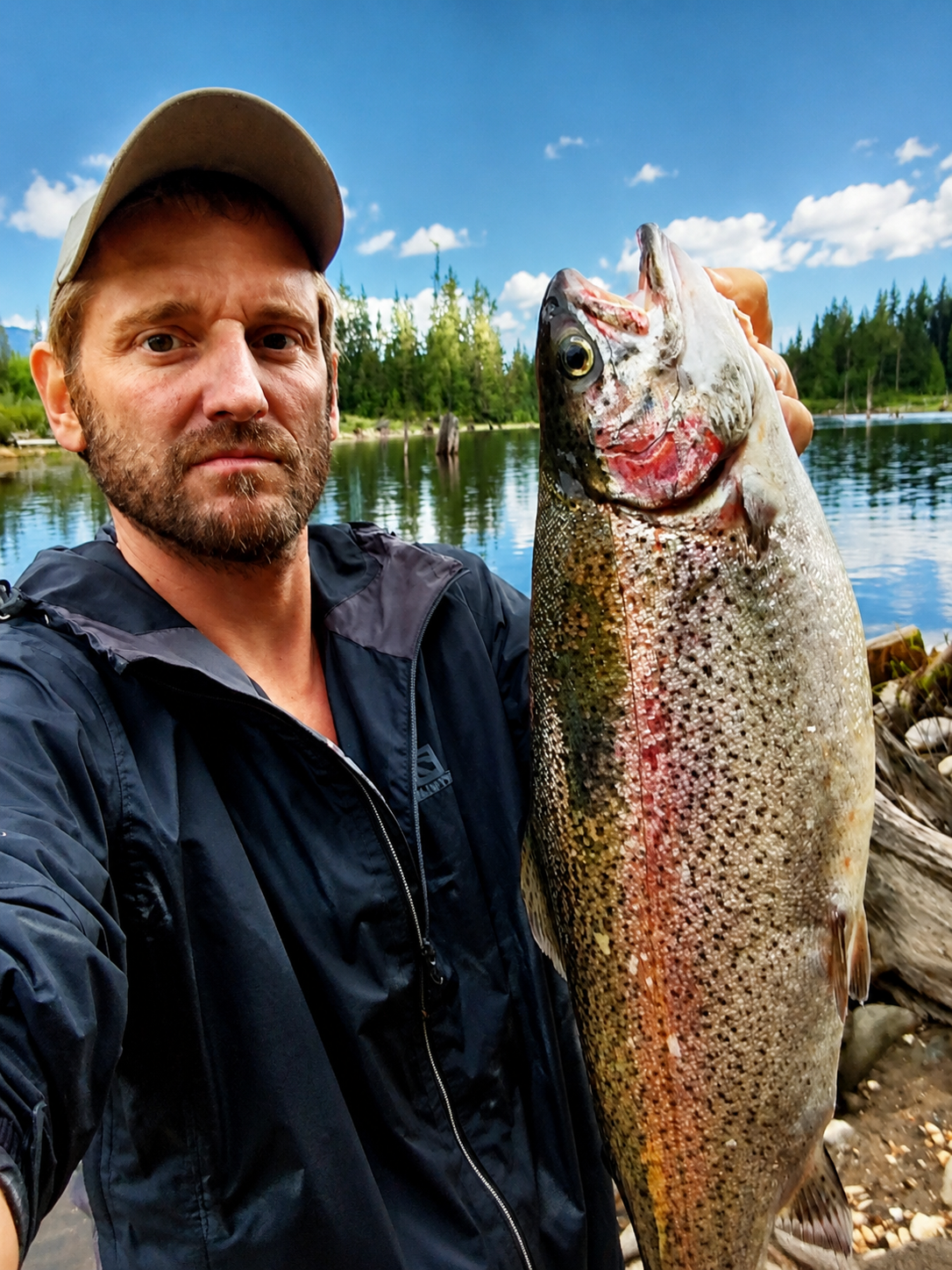
One cast can turn an ordinary paddle into an unforgettable adventure.
Should You Bring a Fishing Rod?
If you enjoy fishing, don't leave your rod behind. If you don't have one, Mitchell's offers fishing rod rentals, making it easy to add another memorable experience to your adventure.
A lightweight travel rod adds very little weight to your gear but can provide hours of entertainment during rest stops and evenings around camp.
Even if fishing isn't the primary reason for your trip, trolling while paddling requires very little extra effort and can turn an ordinary paddle into an unforgettable memory.
There's something deeply satisfying about cooking a freshly caught trout beside a quiet lake after a full day of paddling.
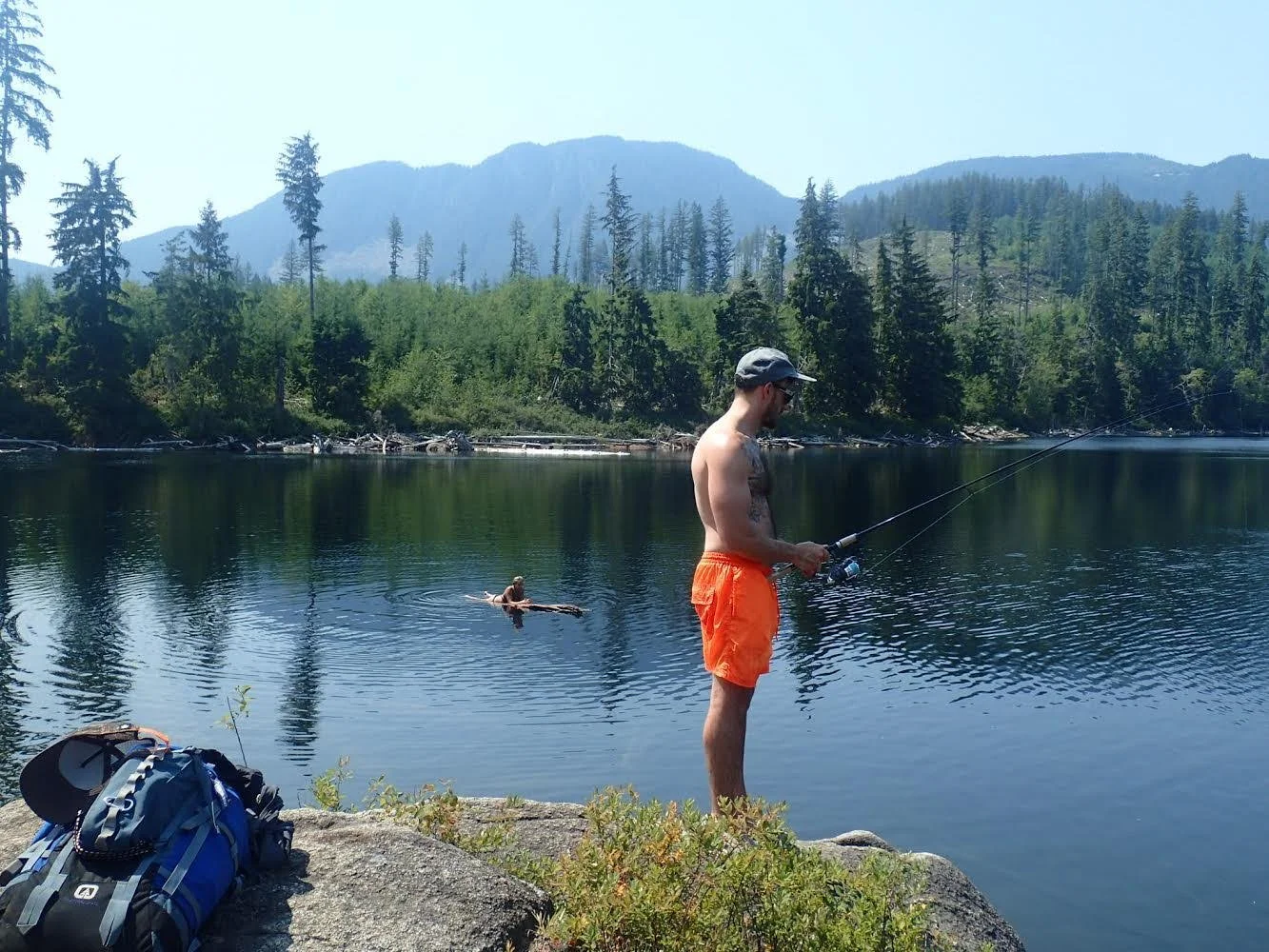
A fishing rod weighs very little but can add hours of enjoyment around camp.
A Few Responsible Fishing Tips
The wilderness experience on the qathet Canoe Route depends on everyone doing their part.
Follow all current fishing regulations.
Respect catch limits.
Pack out all fishing line and tackle.
Never leave bait containers or litter behind.
Clean fish well away from campsites and dispose of remains responsibly, following local guidelines.
Respect other paddlers who may simply be enjoying the peace and quiet.
Responsible anglers help ensure the route remains healthy for both wildlife and future visitors.
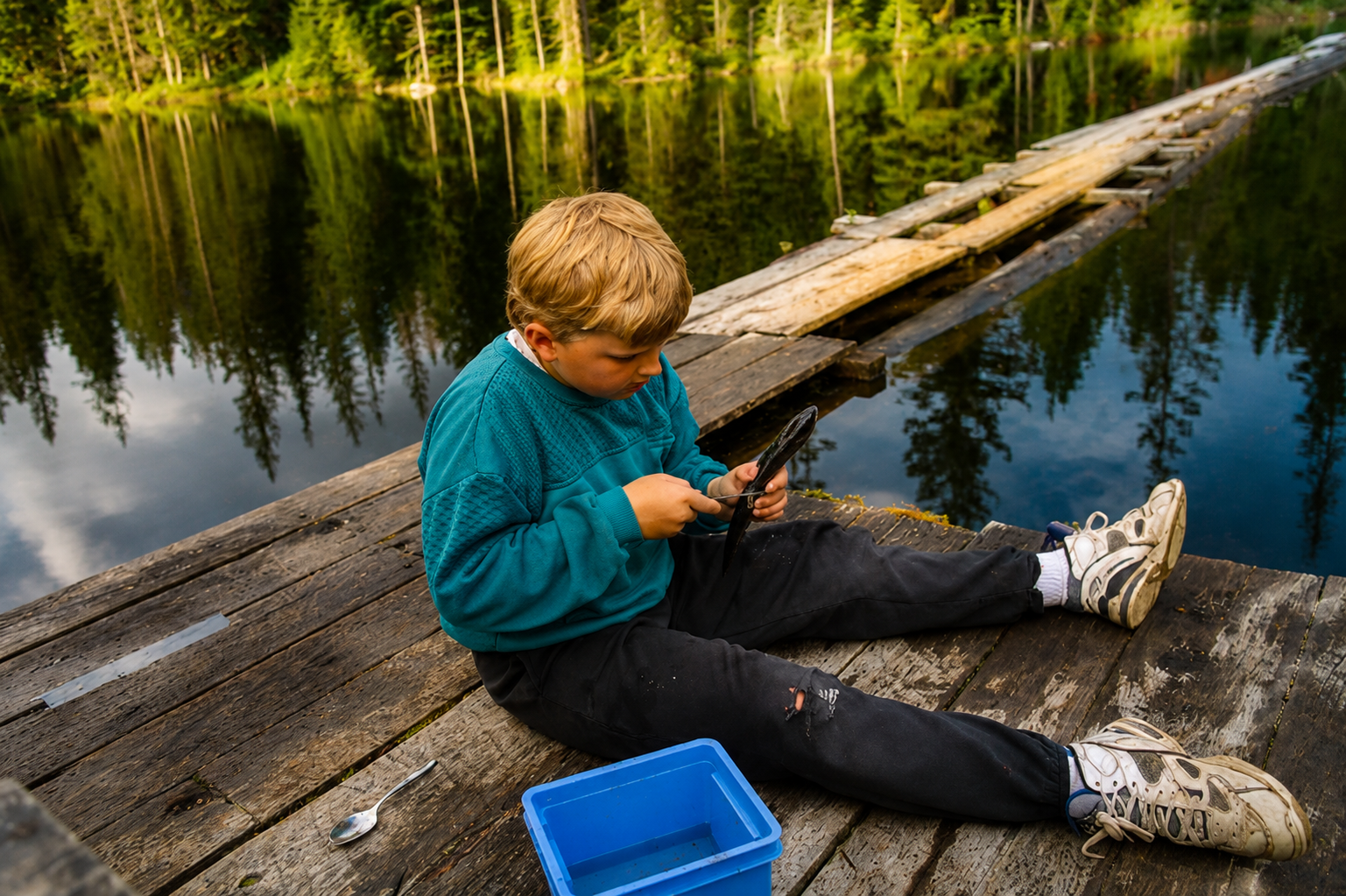
For many young paddlers, the first fish becomes the favourite memory of the trip.
More Than Just Great Fishing
Fishing is only one part of what makes the qathet Canoe Route such a memorable adventure.
One moment you're quietly trolling for Cutthroat trout beneath towering coastal mountains. The next you're paddling through old-growth rainforest, watching an osprey dive for its own catch, or enjoying a campfire beside a secluded lake that feels like it's yours alone.
Whether you reel in the fish of the day or simply spend an evening watching your lure disappear into glassy water, the experience is about far more than the catch. It's about slowing down, embracing the rhythm of the wilderness, and discovering why the 60-kilometre qathet Canoe Route remains one of British Columbia's most rewarding canoe adventures.
Continue Planning your qathet Canoe Route Adventure
Before you launch, explore our most helpful guides for planning a safe, comfortable, and unforgettable trip:
🧍 Complete qathet Canoe Route Guide for a route map, campsites, transportation, water, and trip planning advice.
🦟 Bugs on the qathet Canoe Route When mosquito season peaks, where bugs are worst, and how to avoid
🎒 How to Pack for the qathet Canoe Route | Expert Packing Guide + Free Checklist A complete packing list for a comfortable multi-day trip
🦅 The Best Gear for the qathet Canoe Route: Packing Tips Learn what gear actually makes the trip easier, from canoe barrels to footwear and rain gear
🥾 Portaging the qathet Canoe Route Learn the easiest way to carry your canoe and gear through every portage
⛺ Camping on the qathet Canoe Route Campsites, bear caches, and tips for planning your overnight stops, cooking, and Leave No Trace tips
🚣 Can You Kayak the qathet Canoe Route? Learn why we recommend a canoe and why wheel carts don't work on the route.
🐕 Bringing Your Dog on the qathet Canoe Route Tips for paddling, camping, portaging, and keeping your canine companion safe and happy
🧍 Do you need a Guide on the qathet Canoe Route? Learn why most paddlers successfully complete the route on their own
🏞️Comparing BC’s Most Iconic Canoe Routes Not sure if the qathet Canoe Route is the right adventure for you? Compare it with BC's other famous canoe routes
🛶Why the qathet Canoe Route Is Unlike Any Other Paddling Experience Discover what makes the qathet Canoe Route a truly unique wilderness adventure—and why so many paddlers return again and again
Originally written by Christie Mitchell based on decades of experience on the qathet Canoe Route.
Copyright Notice
All photographs, maps, illustrations, and written content are © Christie Mitchell. Unauthorized reproduction or redistribution is prohibited without written permission.