
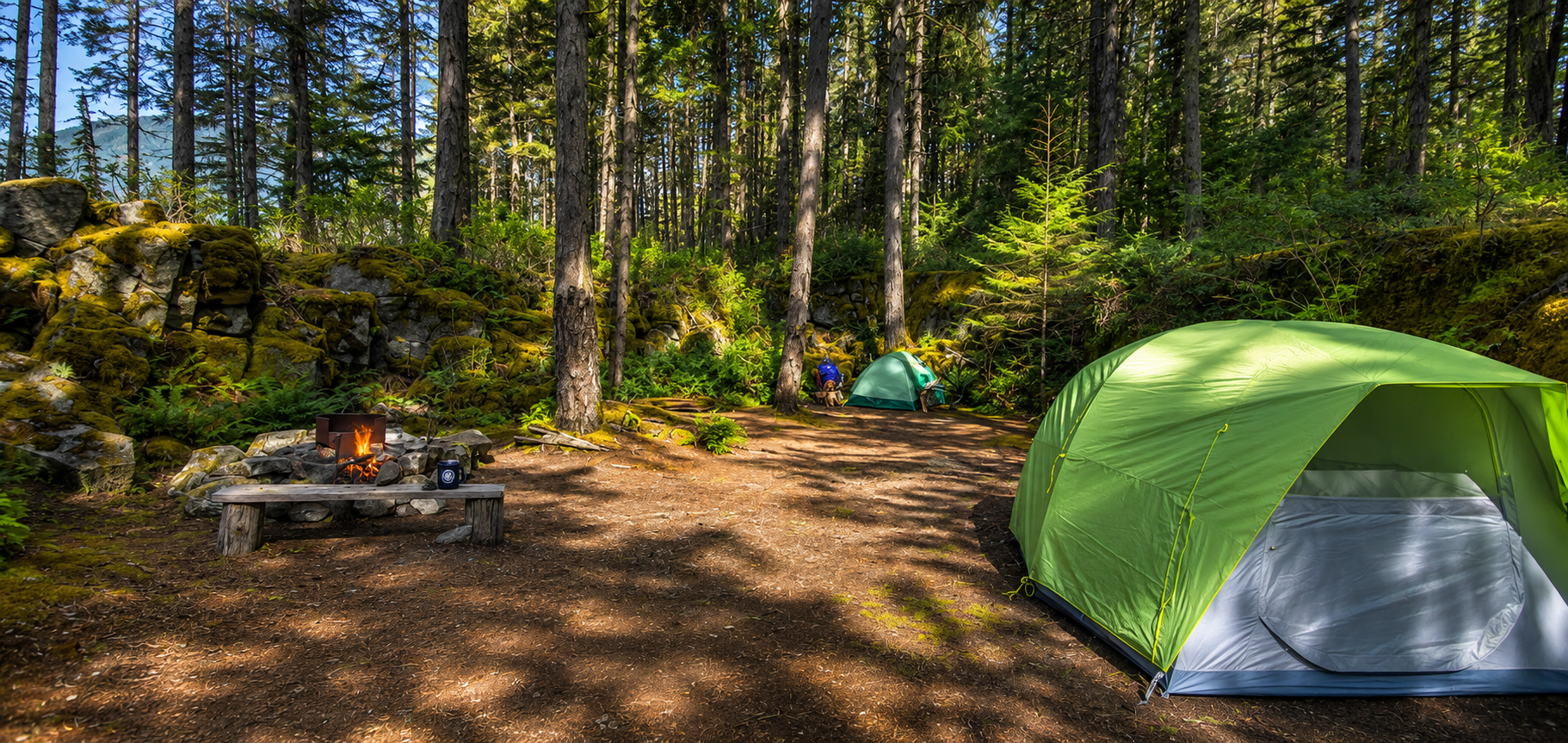
There is a moment on British Columbia’s Sunshine Coast where the modern world completely vanishes. It usually happens right after you push off into the sweeping, expansive waters of Lois Lake, or perhaps when the quiet rhythm of your paddle stroke matches the birdsong echoing through towering cedar forests.
Spanning 60 kilometres through eight interconnected lakes, the qathet Canoe Route (formerly the Powell Forest Canoe Route) is legendary. But this isn’t just a leisurely paddle; it’s an immersive, carry-and-paddle backcountry adventure. To help you seamlessly navigate the logistics, we’ve put together a comprehensive, printable checklist covering everything from camp tools to canine companion gear.
👇Before you download your copy at the end of this article, let’s dive into what makes this backcountry water circuit a bucket-list journey—and how to prepare for the unique physical demands of this unforgettable backcountry adventure.
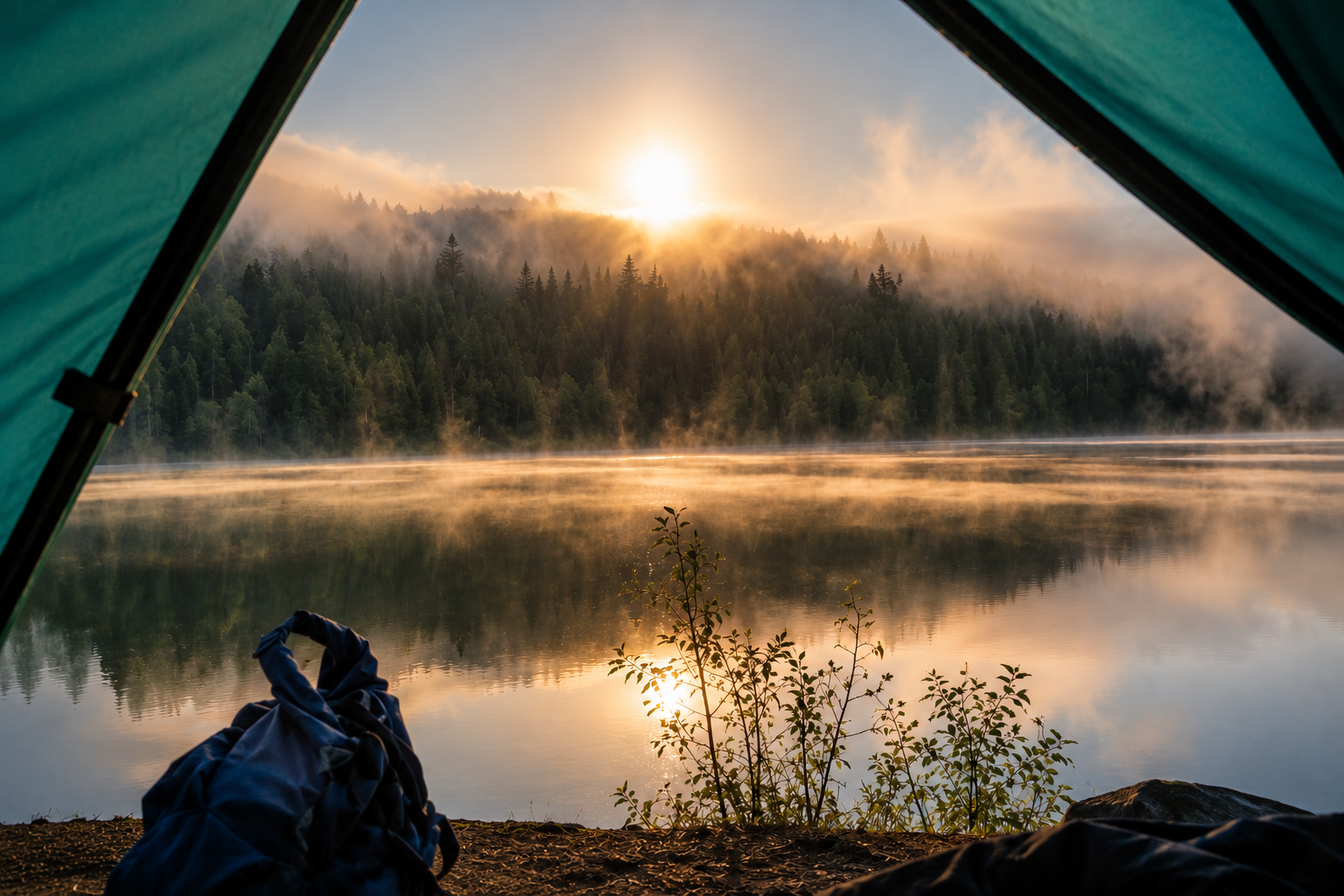
Some mornings on the qathet Canoe Route are so still that the lake becomes a mirror.
The Anatomy of the Route: What to Expect
Most paddlers tackle the full, point-to-point circuit over 5 to 6 days, allowing time to appreciate the changing landscapes without rushing. The magic of the qathet Canoe Route lies in its transitions. You will glide across expansive, fjord-like waters beneath coastal mountains, only to find yourself walking through lush, old-growth rainforest a few hours later.
The journey is naturally broken up by 8 kilometres of portages. These aren't smooth, paved walkways—they are authentic, rugged hiking trails winding over roots and rocks. Trying to pull a wheeled portage cart here is a recipe for frustration.
The portages are what make this route so memorable—and they're also where smart packing pays off. Every unnecessary kilogram feels twice as heavy halfway through a rocky trail, so thoughtful packing isn't just about comfort; it helps you conserve energy for the lakes still ahead.
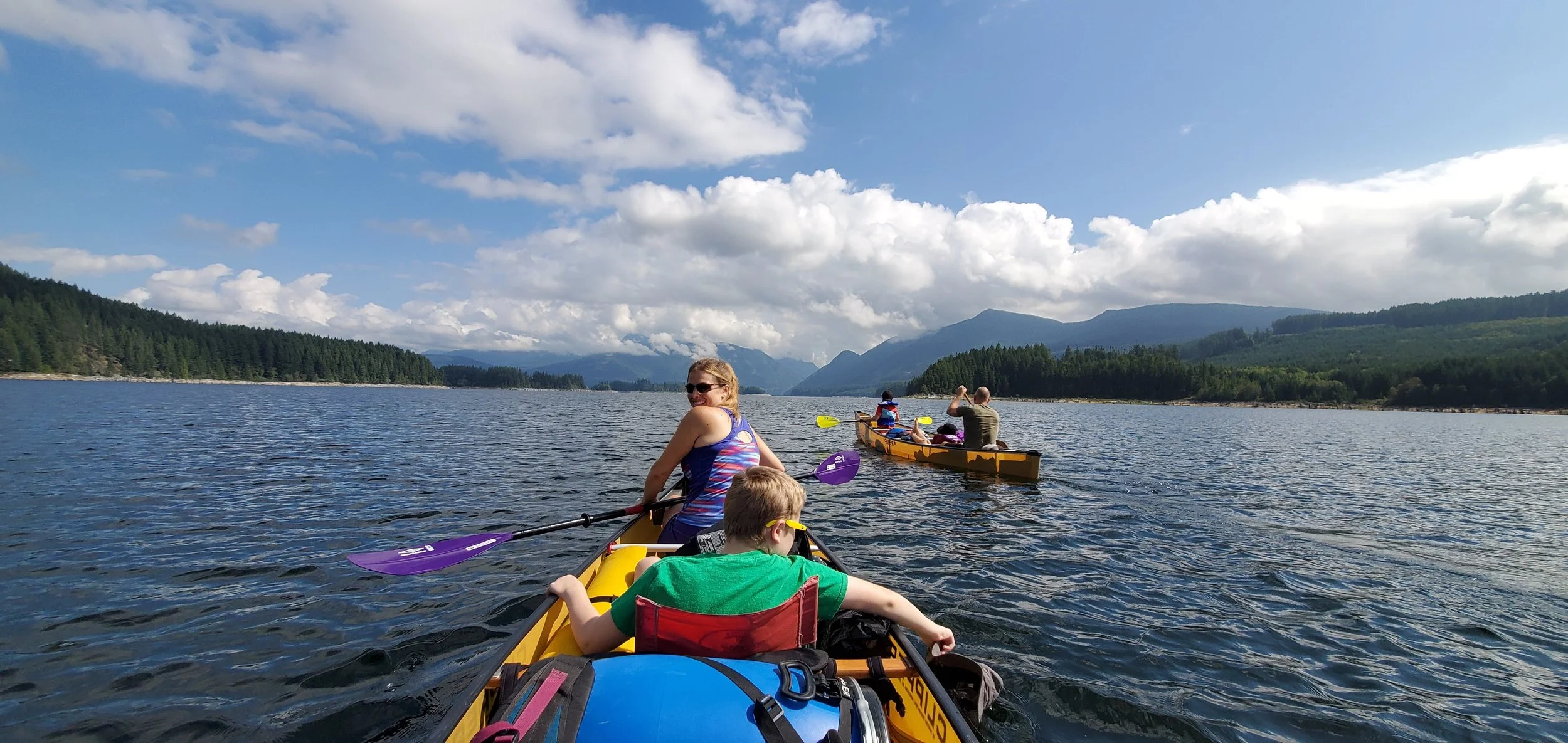
A well-packed canoe is easier to paddle, easier to portage, and makes every kilometre more enjoyable.
Pack Smart for the qathet Canoe Route
Because you'll transition between water and land five times, the way you pack and organize your gear has a direct impact on how much energy you have left to enjoy the journey. On this route, your packing strategy directly impacts your physical comfort.
1. Build a Better Portage Pack
When packing your gear, treat your backpack or canoe barrel like a backcountry hiking setup. Always place your heaviest items at the very bottom of the pack and distribute weight equally between the left and right sides. This lowers your center of gravity and prevents the pack from pulling you off-balance when navigating technical footing over roots and rocks. To save your shoulders and back for the trail, aim to keep your total pack weight under 30% of your body weight.
2. Maximize Every Inch of Space
Space is at a premium when loading a canoe pack. Instead of folding your clothing, roll each item tightly to eliminate dead space and maximize internal volume. Utilizing compression stuff sacks for your sleeping bag and compression packing cubes for your apparel keeps everything incredibly dense and organized. For gear versatility, items like convertible pants that zip off into shorts are excellent multi-purpose space savers.
3. Balance Your Canoe for Easier Paddling
Once you transition back to the water, the layout of your gear in the hull is critical. Distribute your equipment with equal weight front-to-back and side-to-side. A perfectly balanced canoe tracks straight, minimizing the exhausting correction paddle strokes that can wear out your arms over long distances.
Pro Tip:
If strong headwinds develop—particularly on larger lakes such as Powell Lake—shift a little extra weight toward the bow. A slightly heavier front end helps the canoe track straighter and slice through waves more efficiently.
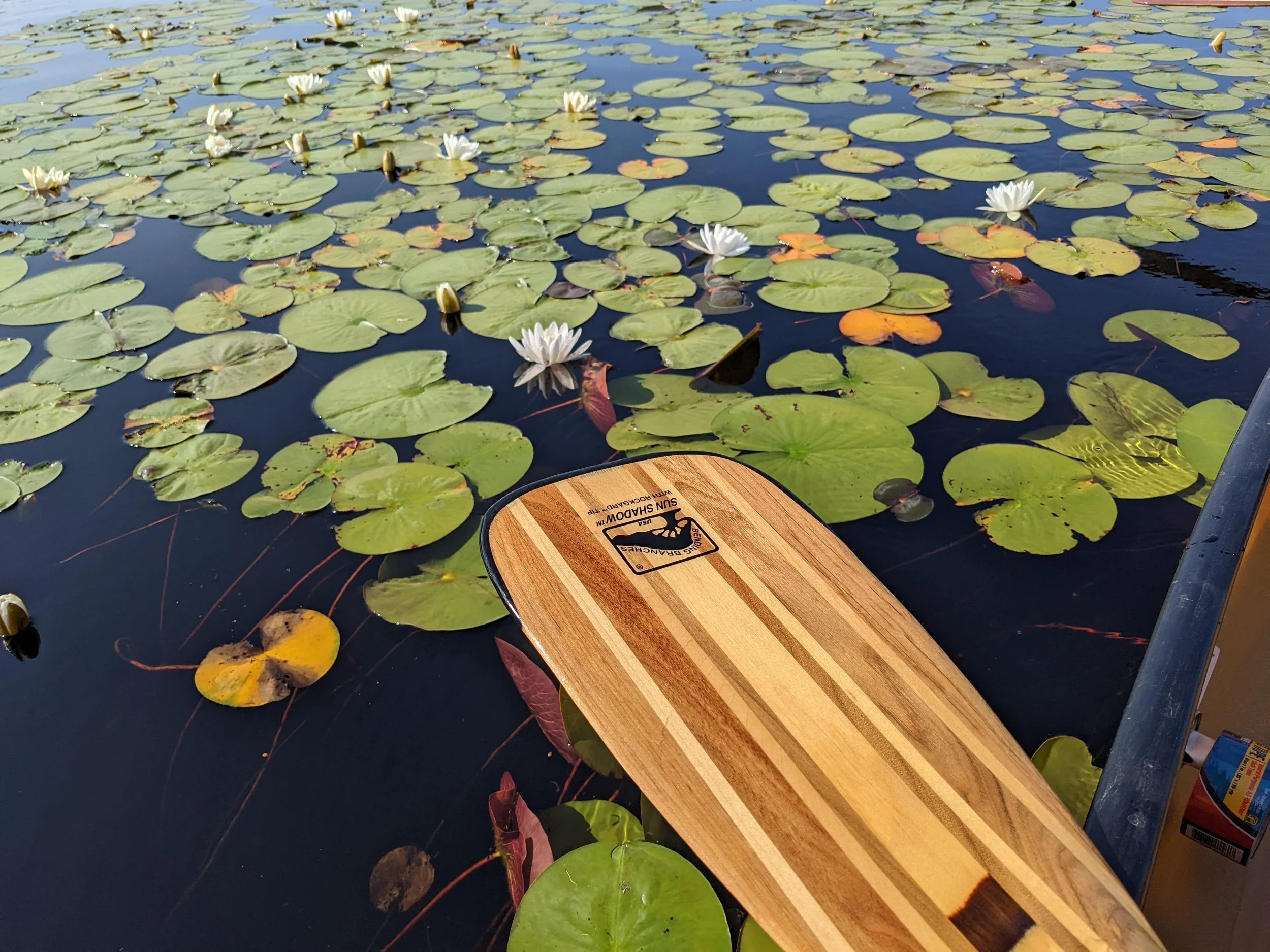
The rhythm is simple: paddle, portage, repeat.
Embracing the Wilderness Elements
One of the most pleasant surprises for first-time visitors is the route's unique coastal microclimate. Because the chain is shaped by frequent mountain breezes and lacks the stagnant, marshy wetlands found in inland muskeg environments, the region experiences remarkably low bug pressure. Open, lakeside campsites with excellent airflow mean you can spend your evenings relaxing by the water rather than hiding in your tent.
Layers are your best friend on the Sunshine Coast. A single day can begin with cool morning mist, warm into bright afternoon sunshine, then finish with wind or rain. Dress in moisture-wicking synthetic or wool layers rather than cotton, which stays wet and steals body heat. In cooler seasons, start with a lightweight base layer, add an insulating fleece, and always carry a waterproof rain shell with generous ventilation, such as pit zips, so you stay comfortable no matter what the weather brings.
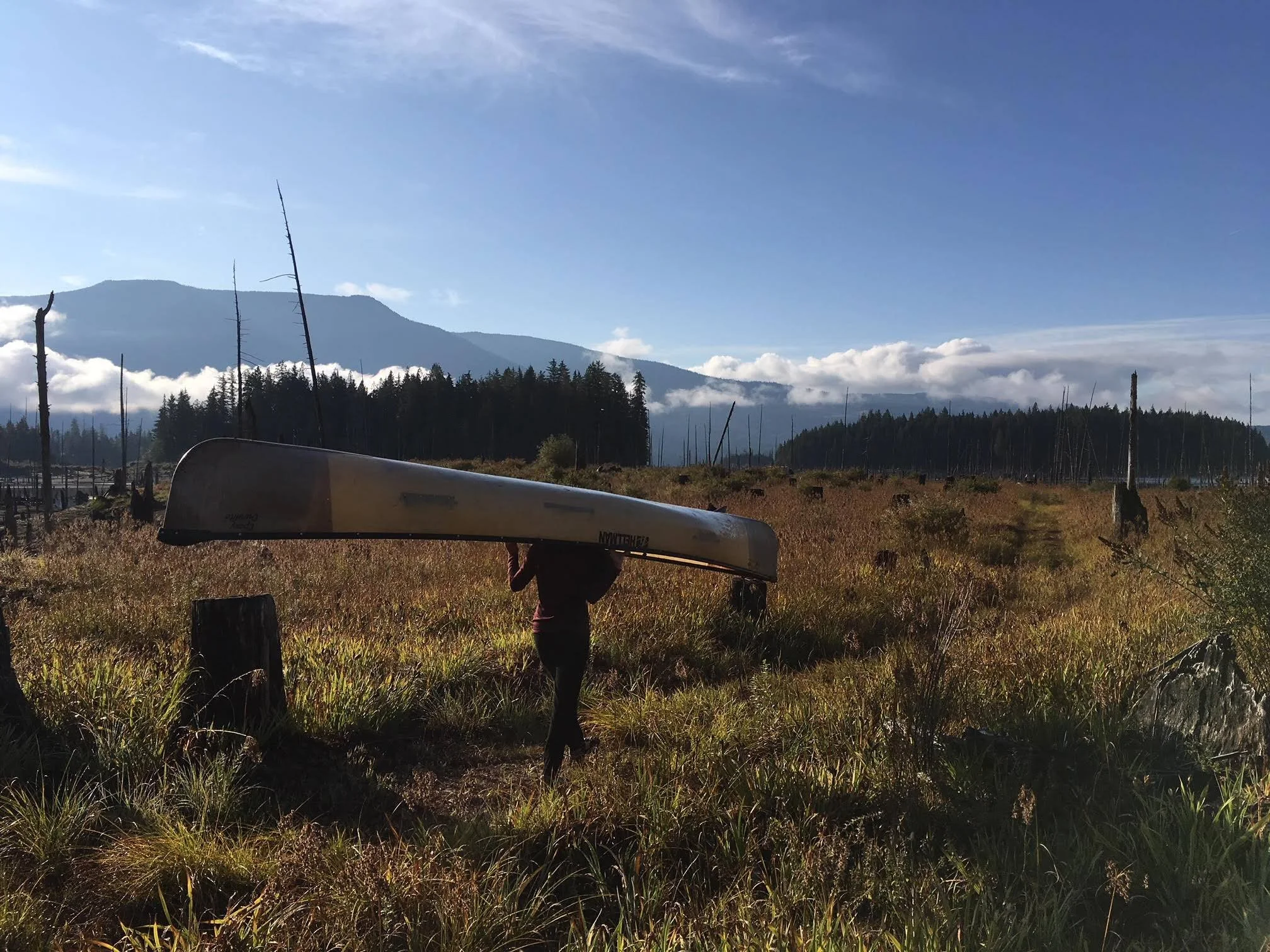
The qathet Canoe Route includes approximately 8 kilometres of rugged portages—one of the features that makes this adventure so iconic.
Small Tips That Make a Big Difference
Often, it's the smallest pieces of gear that make the biggest difference after several days in the backcountry.
Clean hiking socks each day help prevent blisters during the route's eight kilometres of portaging.
Duct tape wrapped around a pencil paired with moleskin creates an excellent lightweight blister kit.
A cotton stuff sack filled with spare clothing makes a surprisingly comfortable pillow.
A thin foam sleeping pad beneath an inflatable mattress adds insulation while greatly reducing puncture risk.
Carry one-litre water bottles for each paddler. They're large enough to keep you hydrated without becoming awkward to carry during portages.
Place a lightweight ground sheet inside the tent beneath your sleeping pads rather than underneath the tent. If moisture finds its way inside, it provides an extra layer of protection to help keep your sleeping gear dry.
Two tarps—one over the tent and another over the kitchen area—can completely transform camp life during rainy weather, giving you dry places to sleep, cook and relax.
Multiple large carabiners make it easy to clip PFDs, water bottles and loose gear together for fewer trips across portages.
Silicone twist ties are incredibly useful for bundling paddles, creating carrying handles or making quick field repairs.
Also, a basic first aid kit doesn't need to be large, but it should be prepared for the problems you're most likely to encounter—cuts, headaches, sore muscles, blisters and minor strains. Pair it with a compact emergency repair kit containing essentials such as duct tape, zip ties, a sewing kit, fire starter and a few small repair tools. In the backcountry, these lightweight items can solve surprisingly big problems.
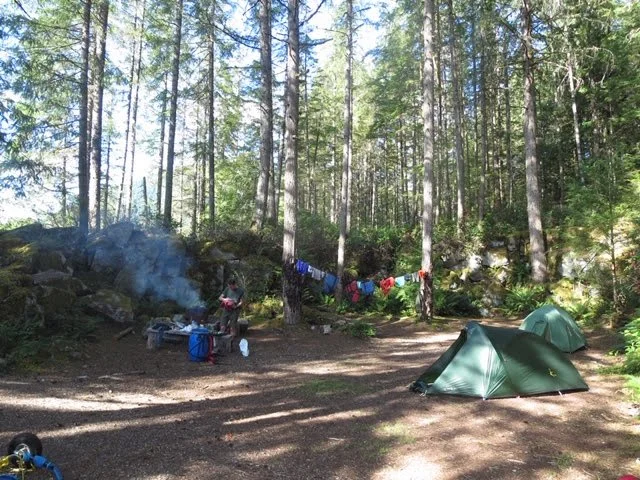
Simple campsites. Quiet evenings. The kind of views that remind you why you came.
Optional Gear That Can Make a Big Difference
None of these items are essential for the qathet Canoe Route, but many seasoned paddlers eventually decide they're worth every extra gram. After several days in the backcountry, these small comforts often become the gear you're happiest you packed.
A 50-foot length of cord is one of the most versatile things you can pack. It works for hanging food, drying wet clothing, replacing broken guy lines, or improvising camp repairs.
A small solar panel keeps phones, satellite messengers and cameras charged without carrying multiple heavy power banks.
On hot summer days, cooling towels become surprisingly welcome after long portages.
Many experienced paddlers also swear by fingerless padded gloves, which reduce blisters during long days on the water without sacrificing grip.
If you enjoy reading or cooking after dark, an inflatable solar lantern provides soft campsite lighting while hanging easily beneath a tarp.
For those using rental sleeping bags—or anyone who prefers sleeping with their bag unzipped—a sleeping bag liner keeps everything cleaner while adding a little warmth during cooler nights.
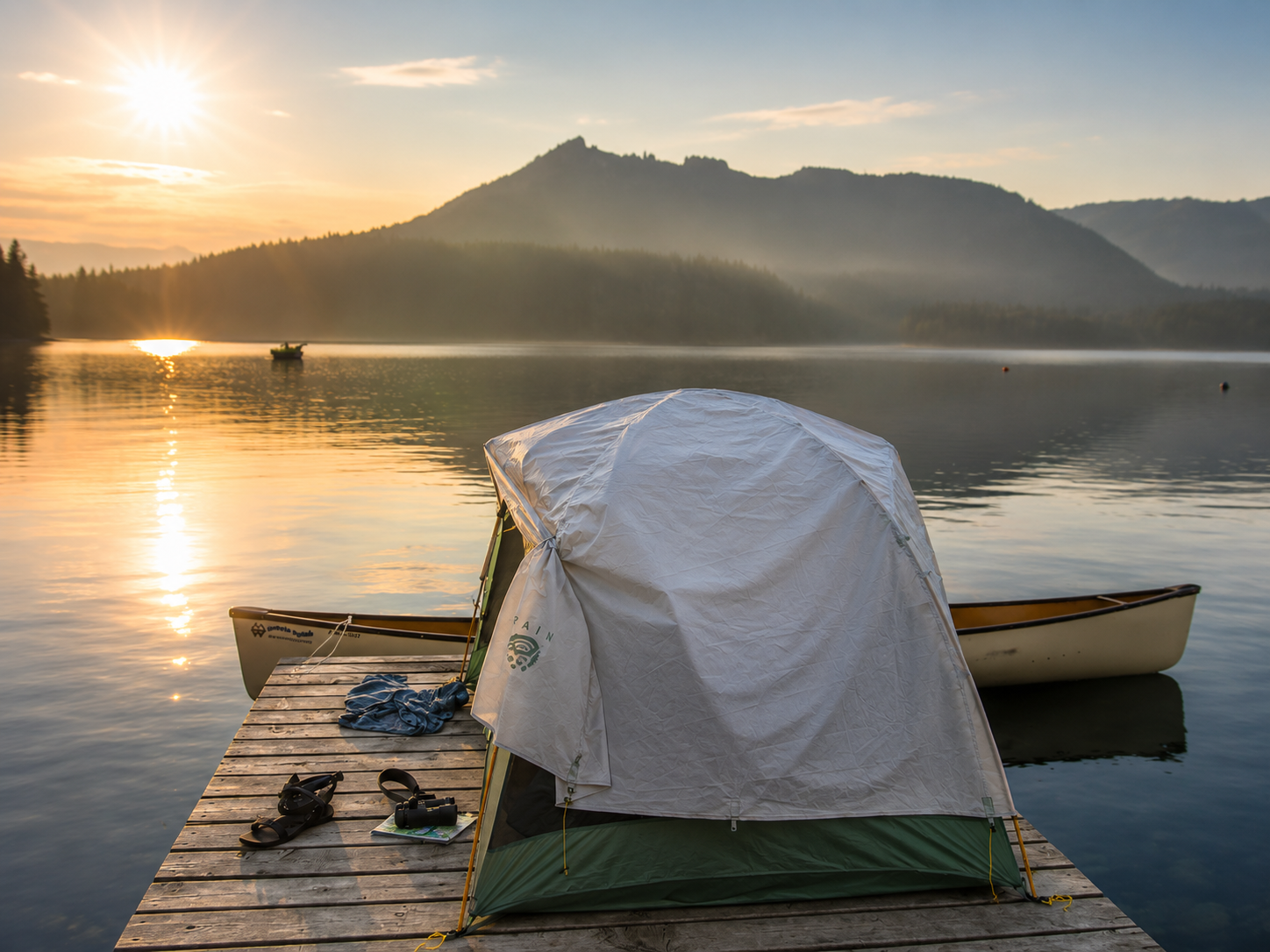
Long after you've unpacked your gear, it's the quiet moments between the kilometres that stay with you.
Why the qathet Canoe Route Stays with You
The qathet Canoe Route isn't simply a canoe trip—it's a journey measured one paddle stroke at a time. Every lake has its own personality, every campsite feels wonderfully removed from everyday life, and every portage reminds you that the best places are rarely the easiest to reach.
Long after you've unpacked your gear, you'll remember mist drifting across quiet lakes, evenings beneath towering firs, and the satisfaction of travelling through an incredible landscape under your own power. The qathet Canoe Route has a way of slowing time, replacing busy schedules with the simple rhythm of paddle, carry, repeat. It won't be the kilometres you remember most—it will be the moments between them.
Ready to Pack? Download Your Free Checklist
A successful backcountry trip begins long before you reach the water's edge. The printable checklist below is based on nearly four decades of helping paddlers prepare for the qathet Canoe Route. Whether it's your first visit or your tenth, it will help ensure you arrive at the launch organized, comfortable and ready to enjoy every kilometre of the journey.
📥 🐺 Download the Complete qathet Canoe Route Packing Checklist Here
Continue Planning your qathet Canoe Route Adventure
Before you launch, explore our most helpful guides for planning a safe, comfortable, and unforgettable trip:
🧍 Complete qathet Canoe Route Guide for a route map, campsites, transportation, water, and trip planning advice.
🦟 Bugs on the qathet Canoe Route When mosquito season peaks, where bugs are worst, and how to avoid them
🦅 The Best Gear for the qathet Canoe Route: Packing Tips Learn what gear actually makes the trip easier, from canoe barrels to footwear and rain gear
🥾 Portaging the qathet Canoe Route Learn the easiest way to carry your canoe and gear through every portage
⛺ Camping on the qathet Canoe Route Campsites, bear caches, and tips for planning your overnight stops, cooking, and Leave No Trace tips
🚣 Can You Kayak the qathet Canoe Route? Learn why we recommend a canoe and why wheel carts don't work on the route
🐕 Bringing Your Dog on the qathet Canoe Route Tips for paddling, camping, portaging, and keeping your canine companion safe and happy
🐟 Fishing the qathet Canoe Route Species, tackle recommendations, regulations, and the best times to fish
🧍 Do you need a Guide on the qathet Canoe Route? Learn why most paddlers successfully complete the route on their own
🏞️Comparing BC’s Most Iconic Canoe Routes Not sure if the qathet Canoe Route is the right adventure for you? Compare it with BC's other famous canoe routes
🛶Why the qathet Canoe Route Is Unlike Any Other Paddling Experience Discover what makes the qathet Canoe Route a truly unique wilderness adventure—and why so many paddlers return again and again
Originally written by Christie Mitchell based on decades of experience on the qathet Canoe Route.
Copyright Notice
All photographs, maps, illustrations, and written content are © Christie Mitchell. Unauthorized reproduction or redistribution is prohibited without written permission.